New research suggests vibrator use may support pelvic floor health in ways beyond sexual wellness, including improvements in pain, prolapse symptoms, and mental health. Here's what the study found.

Craniosacral Fascial Therapy is a gentle, hands on approach that supports the nervous system by releasing tension in the fascia and craniosacral system. Learn how this therapy can benefit infants, children, and adults experiencing feeding challenges, headaches, mouth breathing, or lingering tension.
Written by: Dr. Rachel Ahearn Lesnick
Tailbone pain — also known as coccydynia — is an often frustrating and under-diagnosed condition that can impact the simplest daily activities. Sitting becomes uncomfortable, leaning back in a chair is painful, and activities like driving, cycling, or even using the restroom may trigger sharp or aching sensations at the base of the spine. While many people assume tailbone pain is purely orthopedic, the pelvic floor often plays a central role. This makes pelvic floor physical therapy one of the most effective, and underutilized, treatment options.
Coccydynia can develop from:
Direct trauma (i.e. falling on the tailbone)
Childbirth-related strain (less than ideal pushing positions - we can help with this!)
Repetitive pressure (e.g., prolonged sitting on hard surfaces, cycling)
Biomechanical dysfunction of the pelvis or spine
Pelvic floor muscle tension or imbalance (very commonly seen in the pre/post natal population)
In some cases, no clear injury is present at all — which can be confusing for patients seeking answers. It is our job to figure it out!
The coccyx is an anchoring point for many muscles and ligaments of the pelvic floor. When these muscles and ligaments become tight, irritated, or overactive, they can pull on the coccyx, creating significant pain. Conversely, weakness can lead to imbalance, allowing more pressure and stress on the coccyx.
A pelvic PT assessment for coccydynia typically includes:
• Posture and sitting mechanics
• Hip, lumbar spine, and sacral mobility
• Abdominal, gluteal, and lumbopelvic strength
• Internal pelvic floor muscle assessment (when appropriate & consent given)
• Breathing and core coordination
This comprehensive approach helps identify not only the symptoms, but the source. Our goal is to figure out what is causing the pain, and what is keeping it there.
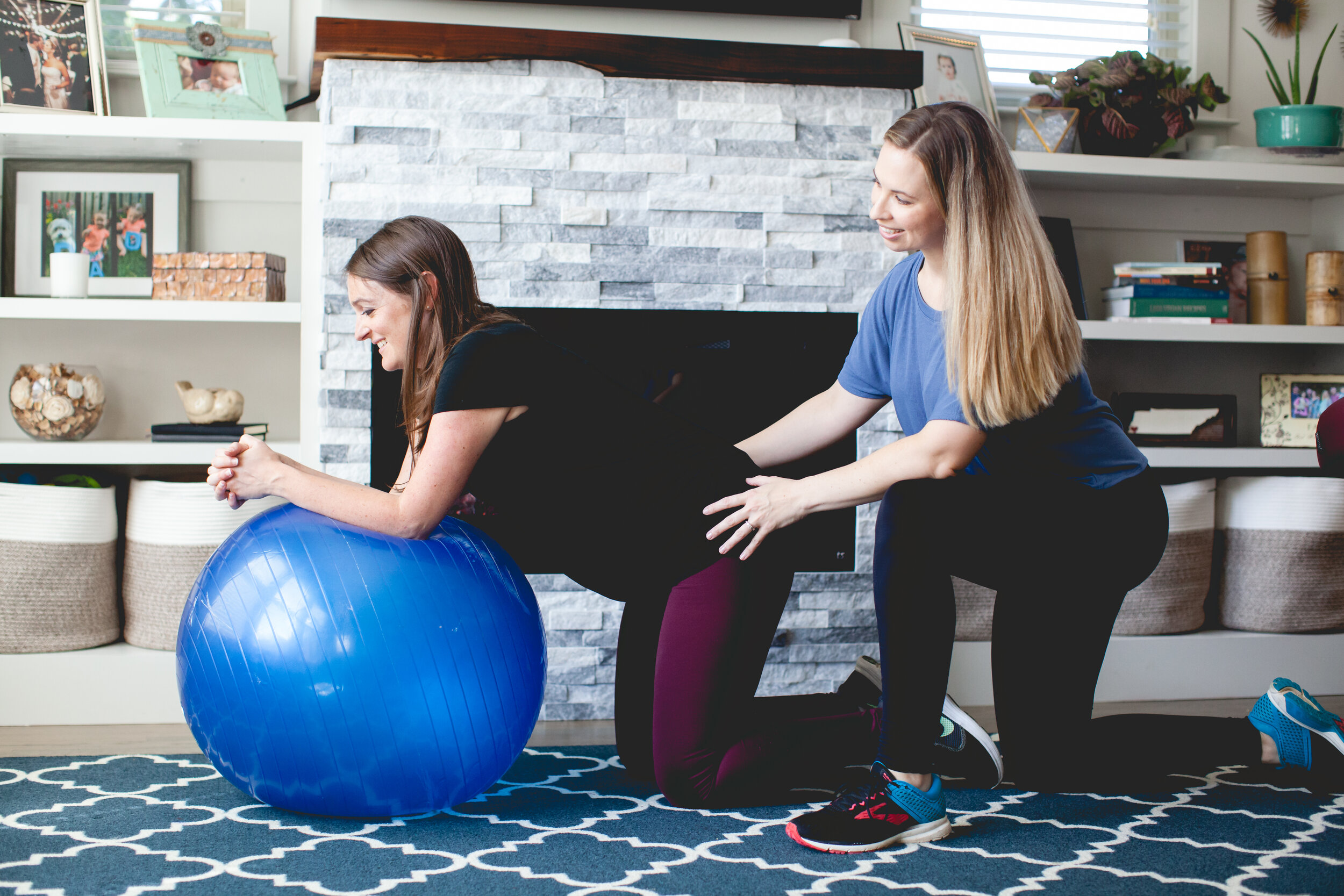
Treatment may include:
1. Manual Therapy
• Internal pelvic floor muscle release (when appropriate and consent given)
• Joint mobilizations
• Myofascial release of surrounding tissues (glutes, adductors, etc.)
2. Postural and Sitting Modifications
Patients often benefit from:
• Cushions with a cutout for tailbone pressure (i.e. tush cush)
• Frequent position changes (standing vs sitting for work
• KT taping to help facilitate alignment
3. Neuromuscular Re-education
Learning how to relax chronically tight pelvic floor muscles can be just as important as strengthening weak ones. It is also important to incorporate down regulation of the nervous system to ensure tight muscles are not habitually programmed to come back over time.
4. Bowel Mechanics Training
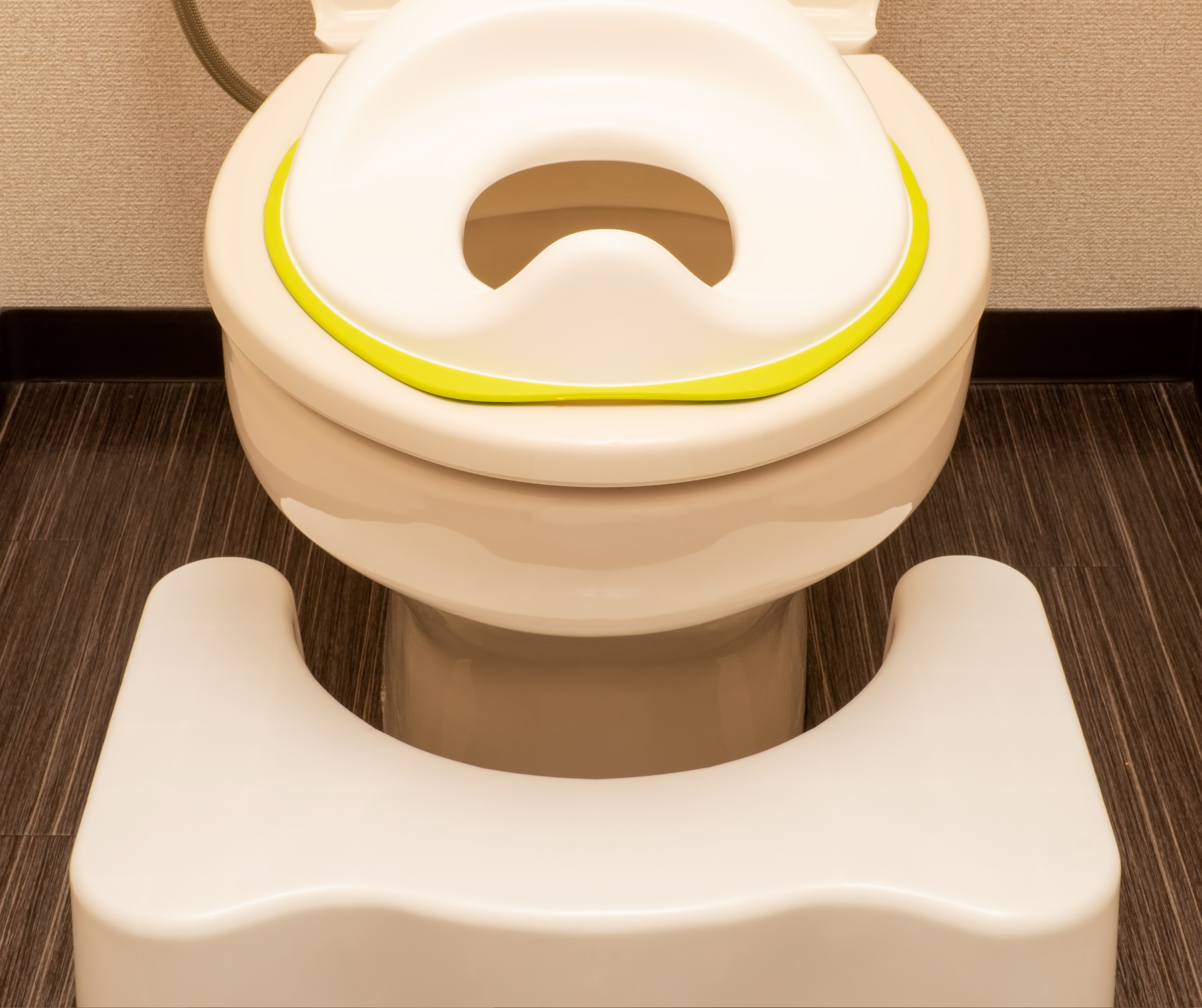
A squatty potty can make a huge difference in bowel mechanics!
Since constipation & straining can play a role, education on:
• Fiber and hydration
• Proper toileting posture (hello, squatty potty!)
• Diaphragmatic breathing
This can help reduce stress on the tailbone dramatically.
5. Graded Exercise and Functional Training
To restore tolerance for all activities of daily living. Glute strengthening is a must once the pain is under control and the patient is ready!
Pelvic floor PTs may recommend further evaluation if:
• Symptoms persist despite treatment
• Pain is severe and progressive
• A fracture or growth is suspected
• The coccyx is hypermobile or potentially luxated
A multidisciplinary team can be helpful when complexity arises.
Most patients improve significantly with conservative care — especially when pelvic floor dysfunction is addressed. Early intervention typically shortens duration and prevents chronic pain patterns.
Coccydynia is more than a local tailbone problem. It often presents as both a pelvic floor and orthopedic musculoskeletal issue that responds well to physical therapy. By treating muscle tension, restoring coccyx mobility, and optimizing habitual patterns, patients frequently regain comfort and function without invasive procedures. If you or a patient you know is struggling with persistent tailbone pain, consider pelvic floor physical therapy — it might be the missing piece!
Craniosacral Fascial Therapy is a gentle, hands on approach that supports the nervous system by releasing tension in the fascia and craniosacral system. Learn how this therapy can benefit infants, children, and adults experiencing feeding challenges, headaches, mouth breathing, or lingering tension.
When people think about pelvic floor physical therapy, they usually picture exercises or hands-on work focused right at the pelvis. But here’s the thing: your pelvic floor doesn’t work in isolation. It’s deeply connected to your spine—especially the lower back (lumbar spine) and the sacrum (the base of your spine that meets your pelvis).
If we ignore those areas, we might miss the bigger picture of what’s really going on with your pelvic health.
Think of your spine and pelvic floor as teammates:
They share connections. The muscles, fascia, and nerves in your low back and sacrum are directly tied to your pelvic floor.
Posture affects pressure. Too much arch in the low back or a tilted pelvis can add extra strain on the pelvic floor or keep it from engaging the way it should.
Nerves matter. The sacral nerves (S2–S4) actually power your pelvic floor. If those nerves are irritated , your muscles may not get the signals they need to work well. Like telephone lines or electrical wires, these communicate to the pelvic floor and if under strain that communication can be interrupted
Looking at the spine allows us to:
Find hidden contributors. Back pain, stiffness, or posture changes often play a role in pelvic floor problems.
Make treatment more effective. When we address both the spine and the pelvis, the whole system works better together.
Prevent future flare-ups. Keeping your spine and pelvis in balance lowers the risk of recurring leaks, pain, or weakness.
Support pregnancy and postpartum recovery. Addressing how both the spine and the pelvis work together can help with smoother labor, pushing, and healing after birth.
At Archer PT, we don’t just focus on one area. Your body works as a system, and our approach reflects that. During an evaluation, we might:
Watch how your posture and spine move.
Assess mobility in the low back and sacrum.
See how your core, breath, and pelvic floor work together.
Use hands-on techniques and exercises to restore movement and balance.
The Bottom Line:
Your spine and pelvic floor are partners. By caring for both, we can help with:
Low back or pelvic pain
Bladder and bowel control
Postpartum recovery
Better movement and confidence in your body
At the end of the day, pelvic floor therapy isn’t just about muscles “down there.” It’s about treating you as a whole person—spine, pelvis, and everything in between.
By: Dr. Alexandria Balthrop PT, DPT, PRPC

Most people aren’t told this, but pelvic floor injuries during vaginal birth are common—and often unspoken. These injuries can lead to long-lasting issues like prolapse, incontinence, and pain. The good news? Many of them are preventable, and almost all of them are treatable with the right support.
A major review published in the American Journal of Obstetrics & Gynecology (AJOG) revealed that:
Up to 19% of first-time moms show signs of levator ani muscle tears on imaging after birth—injuries that are linked to:
Pelvic organ prolapse
Urinary or fecal incontinence
Ongoing pelvic pain
Pain with intimacy
Difficulty returning to exercise
These are life-altering symptoms, yet they’re often dismissed as “normal” after having a baby.
They’re common, but should not be normal.
One of the most effective and underutilized tools in birth recovery and injury prevention is pelvic floor physical therapy—both before and after delivery.
Pelvic floor PT can help:
Prepare your muscles for the physical demands of labor
Optimize pushing strategies and positioning
Minimize excessive strain on pelvic tissues
Support healing postpartum, even years after birth
We believe education and prevention are powerful. That’s why our pelvic floor physical therapists work closely with women to:
Identify pre-existing tension, weakness, or imbalances
Create custom plans for pregnancy, labor prep, and postpartum healing
Collaborate with birth professionals to protect your long-term pelvic health
We’re here to break the silence around these injuries and offer real, research-based solutions.
Pelvic floor therapy isn’t just for postpartum—it’s for prevention, healing, and thriving.
Want to know if it could help you? Book a free phone consult and let’s chat about your birth plan or postpartum concerns! We would love to support you!
Because your body deserves support, and your recovery deserves more than "just give it time."
Sources:
AJOG Study – Pelvic Floor Injury During Vaginal Birth Is Life-Altering and Preventable

(The talented team of physical therapists with Archer Physical Therapy)
Whether you're navigating chronic pain, recovering from an injury, or simply curious about how physical therapy can support your lifestyle—you're in the right place.
At Archer Physical Therapy, we believe movement is medicine, and education is empowerment. That’s why we’re launching this blog: to help you better understand your body, your symptoms, and the many ways physical therapy can help you feel and function your best.
Each month, our expert team of physical therapists will be sharing:
Evidence-based tips for pain relief and injury prevention
Pelvic floor education (for all stages of life—not just postpartum!)
FAQs and myth-busting around common PT concerns
Real client success stories and behind-the-scenes looks at our concierge care
And guidance on how to be your strongest self, recover from childbirth, navigate perimenopause and menopause with ease, rehabilitate injuries, and more…
Far too many people live with discomfort for years—thinking their symptoms are “normal” or that surgery is their only option. Through this blog, we hope to open your eyes to just how much is possible with personalized, whole-body care.
We want to help you understand things like:
Why leaking during workouts isn’t just “part of being a mom”
What to do if your hip pain keeps flaring up
How hands-on PT can speed up recovery—and prevent reinjury
And most importantly, how you can feel better—starting now.
We’re so glad you’re here. Whether you’re a patient, a healthcare provider, or just someone who wants to learn more—this blog is for you.
✅ Have a question you want answered?
✅ Curious if PT might help with something you’re dealing with?
✅ Want to share a topic you'd love us to cover?
Contact us here or leave a comment—we’d love to hear from you.
With care,
Dr. Jenny and The Archer PT Team