

Written by: Dr. Rachel Ahearn Lesnick
Tailbone pain — also known as coccydynia — is an often frustrating and under-diagnosed condition that can impact the simplest daily activities. Sitting becomes uncomfortable, leaning back in a chair is painful, and activities like driving, cycling, or even using the restroom may trigger sharp or aching sensations at the base of the spine. While many people assume tailbone pain is purely orthopedic, the pelvic floor often plays a central role. This makes pelvic floor physical therapy one of the most effective, and underutilized, treatment options.
What Causes Coccydynia?
Coccydynia can develop from:
Direct trauma (i.e. falling on the tailbone)
Childbirth-related strain (less than ideal pushing positions - we can help with this!)
Repetitive pressure (e.g., prolonged sitting on hard surfaces, cycling)
Biomechanical dysfunction of the pelvis or spine
Pelvic floor muscle tension or imbalance (very commonly seen in the pre/post natal population)
In some cases, no clear injury is present at all — which can be confusing for patients seeking answers. It is our job to figure it out!
How the Pelvic Floor Is Involved
The coccyx is an anchoring point for many muscles and ligaments of the pelvic floor. When these muscles and ligaments become tight, irritated, or overactive, they can pull on the coccyx, creating significant pain. Conversely, weakness can lead to imbalance, allowing more pressure and stress on the coccyx.
The Pelvic Floor Physical Therapy Evaluation
A pelvic PT assessment for coccydynia typically includes:
• Posture and sitting mechanics
• Hip, lumbar spine, and sacral mobility
• Abdominal, gluteal, and lumbopelvic strength
• Internal pelvic floor muscle assessment (when appropriate & consent given)
• Breathing and core coordination
This comprehensive approach helps identify not only the symptoms, but the source. Our goal is to figure out what is causing the pain, and what is keeping it there.
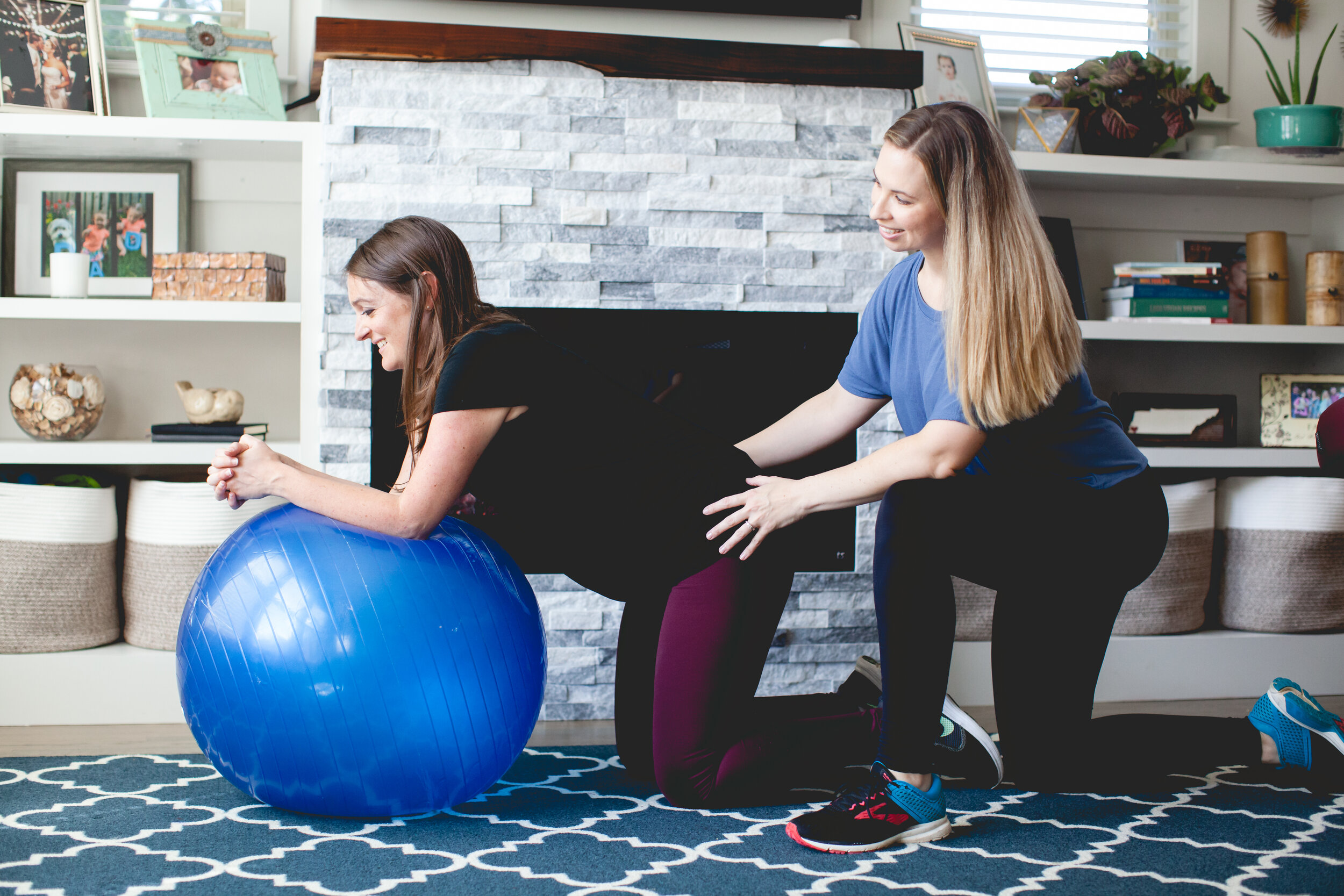
How Pelvic Floor Physical Therapy Helps
Treatment may include:
1. Manual Therapy
• Internal pelvic floor muscle release (when appropriate and consent given)
• Joint mobilizations
• Myofascial release of surrounding tissues (glutes, adductors, etc.)
2. Postural and Sitting Modifications
Patients often benefit from:
• Cushions with a cutout for tailbone pressure (i.e. tush cush)
• Frequent position changes (standing vs sitting for work
• KT taping to help facilitate alignment
3. Neuromuscular Re-education
Learning how to relax chronically tight pelvic floor muscles can be just as important as strengthening weak ones. It is also important to incorporate down regulation of the nervous system to ensure tight muscles are not habitually programmed to come back over time.
4. Bowel Mechanics Training
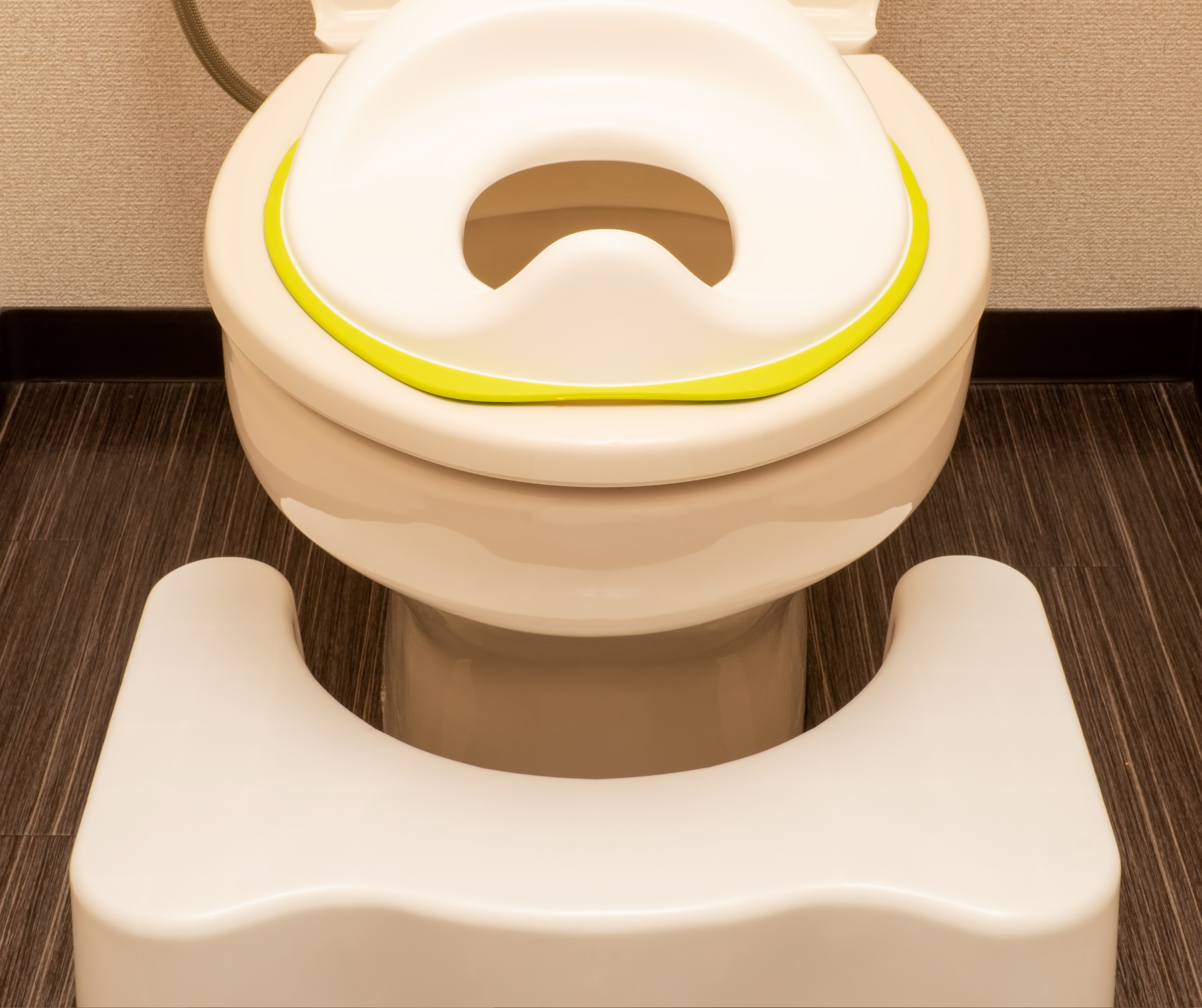
A squatty potty can make a huge difference in bowel mechanics!
Since constipation & straining can play a role, education on:
• Fiber and hydration
• Proper toileting posture (hello, squatty potty!)
• Diaphragmatic breathing
This can help reduce stress on the tailbone dramatically.
5. Graded Exercise and Functional Training
To restore tolerance for all activities of daily living. Glute strengthening is a must once the pain is under control and the patient is ready!
When Imaging or Referral Is Appropriate
Pelvic floor PTs may recommend further evaluation if:
• Symptoms persist despite treatment
• Pain is severe and progressive
• A fracture or growth is suspected
• The coccyx is hypermobile or potentially luxated
A multidisciplinary team can be helpful when complexity arises.
Recovery Outlook
Most patients improve significantly with conservative care — especially when pelvic floor dysfunction is addressed. Early intervention typically shortens duration and prevents chronic pain patterns.
Final Thoughts
Coccydynia is more than a local tailbone problem. It often presents as both a pelvic floor and orthopedic musculoskeletal issue that responds well to physical therapy. By treating muscle tension, restoring coccyx mobility, and optimizing habitual patterns, patients frequently regain comfort and function without invasive procedures. If you or a patient you know is struggling with persistent tailbone pain, consider pelvic floor physical therapy — it might be the missing piece!